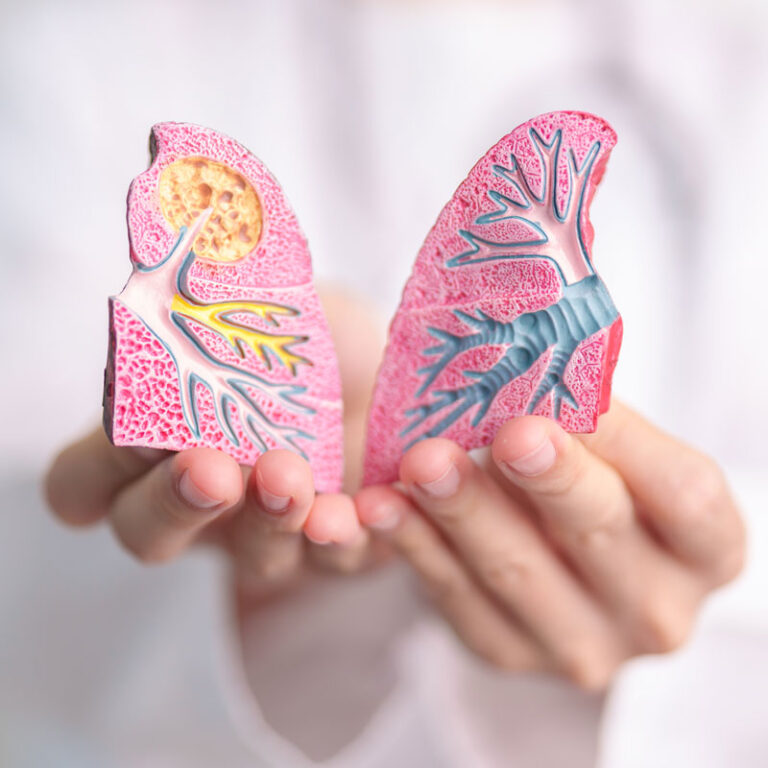
만성 질환이나 말기 질환은 충격과 스트레스를 줍니다. 가족 구성원으로서 여러분은 인생에서 가장 어려운 결정에 직면하게 될 것입니다. 사랑하는 사람이 쇠약해지는 증상을 경험할 수도 있습니다. 새로운 신체적 한계에 적응하고 종종 발생하는 복잡한 감정에 대처해야 할 수도 있습니다. 치료와 돌봄을 탐색하는 것은 압도적으로 느껴질 수 있습니다.
The distinction between palliative care and hospice care can be confusing. Both aim to enhance quality of life. However, each one serves a distinct purpose, and they’re offered at different stages of treatment.
Below, you’ll learn the difference between palliative care and hospice care. You’ll see how each type of care can serve your family’s needs, depending on where you are in your healthcare journey.
Palliative Care vs Hospice Care
Both palliative and hospice care are meant to ease suffering, but only one is given at the end of someone’s life. Hospice care is end-of-life care focused on comfort for those dying of a terminal illness. However, palliative care is for anyone with a life-limiting disease, at any stage of illness.
Palliative 무엇인가요?
Palliative care is a holistic approach to care aimed at managing symptoms and easing the suffering associated with chronic illness, regardless of prognosis. Patients continue medical treatments intended to cure or stop the progression of disease, while complementary care focuses on quality of life.
Who Is Eligible for Palliative Care?
Anyone at any age and any stage of a chronic disease is eligible for palliative care. It’s often recommended by physicians at the time of diagnosis, as it can help your family adjust to life with a new illness and navigate your treatment decisions.
Diseases that can be treated with palliative care include:
- 암
- 심장 질환
- 만성 폐쇄성 폐질환(COPD)
- 알츠하이머병 또는 기타 형태의 치매
- 신부전
- 파킨슨병
- 다발성 경화증
- 간 질환
- 폐 질환
- 근위축성 측삭 경화증(ALS)
- 낭포성 섬유증
Your Palliative Care Team
The members of a palliative care team will vary depending on each patient and family’s needs. Generally, a palliative care team consists of:
- 의사 및 간호사
- 의사 전문가
- 사회 복지사
- 가정 건강 도우미
- 물리 치료사
- 작업 및 언어 치료사
- 심리학자 및 정신 건강 상담사
- 영양사 및 영양사
- 훈련된 자원봉사자
- 신앙 지도자 또는 영적 조언자

What’s Included in Palliative Care?
Palliative care is designed to enhance the well-being of patients and their loved ones, taking a comprehensive approach that encompasses physical, emotional, and mental health.
통증 및 증상 관리
One of the major components of palliative care is effective pain and symptom management, which are crucial for maximizing a patient’s comfort. Methods of treatment may include:
- 약품
- 물리 치료
- 영양 가이드
- 언어 및 작업 치료
- 마사지
- 레이키, 침술, 명상과 같은 대체 요법
정서적, 영적 지원
만성 질환을 앓는 삶은 감당하기 힘든 무게일 수 있으며, 환자와 그 친구 및 가족의 정신 건강에도 영향을 미치는 경우가 많습니다. 우울증과 불안은 생명을 제한하는 질병을 앓고 있는 사람들에게 흔한 증상입니다.
Members of your palliative care team, including social workers, psychologists, and counselors are available to help you work through the inevitable mental health struggles.
Patients can also choose to include spiritual guidance as part of their palliative care plan. Faith leaders and spiritual advisors are available to address any concerns.
의료 장비
Often, chronic illnesses limit mobility and the ability to complete routine and personal tasks. Palliative care provides medical equipment to help ensure you can continue moving through life as comfortably and safely as possible. Depending on your needs, medical equipment can include:
- 휠체어
- 지팡이 및 보행기
- 샤워 의자
- 손잡이 및 난간
- 호흡 보조 장치
- 침대 옆 변기
- 영양 튜브 및 카테터
간병 및 실무 지원
A chronic illness can impact every aspect of your life. Your palliative care team can assist with the following:
- 약물 관리
- 목욕 및 옷 입기와 같은 개인 관리 작업 지원
- 상처 관리
- 의료 장비 교체 및 세척
- 환자와 가족을 위한 정서적 지원 제공
- 재무 계획
- 법률 자문
Where Can You Receive Palliative Care?
You can receive palliative care at home, in nursing homes, hospitals, or other healthcare facilities. Wherever you choose to accept care, your palliative care team can be flexible and accessible to all.
Hospice 케어란 무엇인가요?
Hospice care is specialized healthcare dedicated to enhancing the comfort and quality of life for those with terminal illnesses approaching death. Patients typically transition to hospice care when their body no longer responds to treatment, or when they opt to discontinue treatment altogether.
Your loved one may decide to discontinue life-saving treatment if the side effects become too burdensome and difficult to manage. Upon entering hospice care, doctors halt curative treatments, and the focus shifts to a care plan that prioritizes the management of pain and other distressing symptoms.
Your hospice care team is made up of doctors and nurses, social workers, home health aides, counselors, volunteers, and other health care specialists trained in end-of-life care.
Who Is Eligible for Hospice Care?
Patients are eligible for hospice care when their physician estimates that they have approximately six months or less to live if their illness follows its natural course. If your loved one lives longer than six months, they can still remain in hospice, as long as their doctor or hospice physician certifies that their disease is terminal.
The Benefits of Hospice Care
Dying from a terminal illness is a heartbreaking process for everyone involved. While the Sage Family of Companies can’t change the outcome, our hospice care teams can provide a number of services and resources that can help. The advantages of hospice care include:
Enhanced Quality of Life: Hospice care focuses on maximizing quality of life during the final days, weeks, and months of life, providing the comfort, dignity, and support your loved one deserves.
Pain and Symptom Management: Your hospice care team will ensure effective pain and symptom control, offering relief and improving overall comfort.
Emotional and Psychological Support: Hospice teams are staffed with psychologists and mental health counselors who provide emotional and psychological support to patients and their families as they cope with the emotional challenges of the end of a loved one’s life.
Personalized Care Plans: Hospice care plans are specially designed to fit each individual’s needs and preferences, ensuring a holistic and patient-centered approach.
Family Involvement: Hospice care recognizes the importance of family, involving them in caregiving responsibilities, and offering support to ensure their well-being. Bereavement counseling, access to support groups, and other mental health resources are available through your hospice care team.
Spiritual Considerations: Hospice care can incorporate spiritual guidance, ensuring that the patient’s spiritual and emotional needs are met.

Where Can You Receive Hospice Care?
You can receive hospice care at home or in a hospice facility, nursing home, or hospital. Deciding where to receive hospice care is an individual choice, and should be made by consulting with your family and doctor.
자주 묻는 질문
Here are some frequently asked questions about palliative care versus hospice care.
Palliative Care vs Hospice Care: The Sage Family of Companies Can Help
Navigating a chronic illness can be depressing and traumatic at any stage of the disease. The Sage Family of Companies is here to help your family through every step of the way, from diagnosis to the final days, weeks, and months of life.
Both palliative care and hospice care teams are specially trained, and will ensure your loved one experiences the comfort, dignity, and respect they deserve, while navigating the different stages of their health care journey. The Sage Family of Companies is here to answer any questions you may have.
기사 출처
- What Are Palliative Care and Hospice Care?, NIH, 2021.
- 만성 질환과 우울증 사이의 연관성 이해하기, NIH, 2024.
- What is hospice?, HFA, 2024.