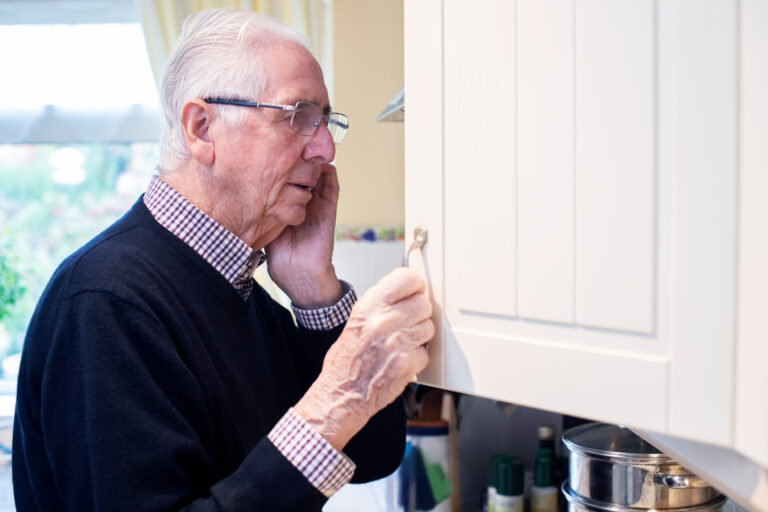
When a loved one has Alzheimer’s disease, the diagnosis can be life-altering for your entire family. Alzheimer’s, a form of dementia, destroys memories and many other mental functions, eventually making it impossible for the person to function independently or even remember their family and friends.
Watching a loved one’s physical and mental abilities deteriorate due to Alzheimer’s can leave you feeling bleak and afraid. Caregiving is also an enormous responsibility, since someone with Alzheimer’s requires hands-on, and in later stages, round-the-clock care.
If you’re feeling overwhelmed planning for your loved one’s Alzheimer’s care, know that you’re not alone. There are a number of resources and options that can help, including Alzheimer’s hospice and palliative care. Read on to learn more about these specialized forms of care, the many services they provide, and when each may be appropriate for your loved one.
What Is Palliative Care for Alzheimer’s Disease?
Palliative care for Alzheimer’s disease is a specialized form of healthcare that focuses on improving quality of life. With palliative care, your loved one will continue medical treatments for Alzheimer’s disease, coupled with care focused on their physical, mental, emotional, and spiritual health.
What Is Alzheimer’s Hospice Care?
Hospice care for Alzheimer’s disease is end-of-life care that aims to provide comfort and enhance quality of life during your loved one’s final days, weeks, and months. The goal of hospice care is to relieve pain and other symptoms from Alzheimer’s as your loved one approaches the end of their life.

Palliative Care for Alzheimer’s Disease
Anyone at any stage of any chronic disease, including Alzheimer’s, is eligible for palliative care. Whether your loved one has been recently diagnosed or they’ve been living with Alzheimer’s for years, enrolling in palliative care is a good option to help them and your family better manage the symptoms of the disease.
A palliative care team is made up of doctors, nurses, social workers, home health aides, counselors, and other specialists trained in helping patients and their families cope with the challenges of life-limiting diseases like Alzheimer’s.
In addition to treatment from the primary care team, the following services are available to enhance your loved one’s quality of life with palliative care:
- Assistance with routine tasks, including bathing, grooming, dressing, and eating
- Alleviating pain and discomfort with a variety of therapies, including medications, physical therapy, and massage
- Medications to ease other symptoms or medication side effects, including nausea, digestive issues, and anxiety
- Medical equipment, such as a walker and wheelchair
- Dietary consultations to help ensure your loved one is getting proper nutrition
- Occupational therapy to help make your loved one’s living environment more suitable for living with dementia
- Mental health counseling and spiritual advising if desired
End-of-Life Care for Alzheimer’s Patients: When to Consider Hospice
Thinking about end-of-life care for a loved one with Alzheimer’s is never easy, but there will come a time when the disease progresses to a point where symptoms become too unmanageable for home care on your own. To begin Alzheimer’s hospice care, you’ll need a physician’s referral, confirming that your loved one’s life expectancy is six months or less.
Signs it’s time to consider hospice care for Alzheimer’s patients include:
- The inability to eat, bathe, dress, or get out of bed on their own
- Frequent and recurrent infections
- Loss of appetite or no longer eating
- Unexplained weight loss
- Frequent visits to the emergency room
- Urinary and/or bowel incontinence
Note that you can receive hospice care at a healthcare facility, such as a hospital, nursing home, or hospice center, or from the comfort of your own home.
Hospice Care for Alzheimer’s: What Services Are Available?
The goal of Alzheimer’s hospice care is to help your loved one feel as comfortable as possible during their final days, weeks, and months of life. By the time Alzheimer’s reaches its final stages, your loved one will likely be bedridden and unable to eat or perform personal care tasks on their own. They may also be unable to speak or communicate. They may also be more vulnerable to infections, such as pneumonia.
Your hospice care team is specially trained to care for individuals living with these symptoms. They can help make your loved one’s life more comfortable by:
- Providing medication to ease pain and other symptoms like nausea and trouble breathing
- Ensuring they’re repositioned every two hours to keep a healthy blood flow and to prevent bed sores
- Monitoring their weight and nutrition
- Assisting with feeding and drinking
- Assisting with personal care tasks, including bathing, grooming, and using the bathroom
- Monitoring for signs of infection or wounds such as cuts or sores and promptly administering treatment
- Making their environment as comfortable as possible, such as playing their favorite music and providing soft pillows and blankets on their bed
How Alzheimer’s Hospice Care Helps Loved Ones
Family members are an important part of hospice care. You’ll play an active role in developing your loved one’s care plan, but there are many resources available to you personally, to help you cope with this difficult time. These include:
- Caregiving assistance and respite care (relief from caregiving responsibilities so you can focus on your own wellbeing)
- Bereavement counseling
- Connection to support groups
- Financial counseling to help plan for end-of-life expenses
- Spiritual assistance or guidance

FAQ for Alzheimer’s Hospice
Here are some frequently asked questions about palliative and hospice care for Alzheimer’s disease.
However, it’s certainly possible to live longer than these six months, and many patients with Alzheimer’s disease do. It can be a relief to know that if your loved one is one of these, they won’t need to forfeit hospice care. As long as their physician or hospice director recertifies that they’re terminally ill, your loved one can remain in Alzheimer’s hospice care.
Summary
Alzheimer’s is a devastating disease that robs people of their memory, cognitive abilities, and many other bodily functions. If your loved one has Alzheimer’s, there are a number of options that can help your family cope, including palliative and hospice care.
The Sage Family of Companies is here to answer any questions you may have.
References
- Alzheimer’s Disease Fact Sheet, NIH, 2023.
- Palliative Care of the Patient with Dementia, NIH, 2021.
- Care in the Last Stages of Alzheimer’s Disease, NIH, 2024.
- Cause of death in patients with dementia disorders, NIH, 2019.