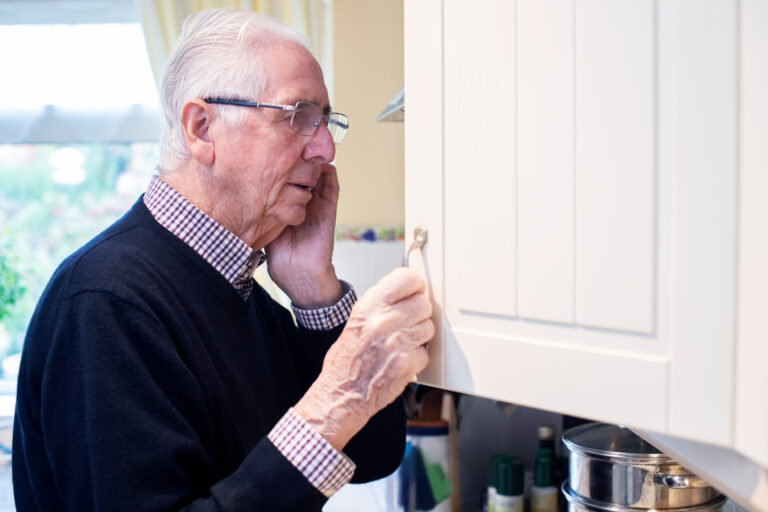
Seeing a loved one live with late-stage COPD can break your heart. As a caregiver, watching as they struggle to breathe and battle fatigue from everyday tasks may make you feel helpless and hopeless
But there are resources that can ease your loved one’s suffering, which can bring you more peace as a caregiver. COPD hospice care is an excellent option that can help your loved one and your family cope with this devastating lung condition.
Read on to learn more about how hospice care can help manage late-stage COPD symptoms, who is eligible, and how the many services that hospice offers can benefit your family.
What Is Late-Stage COPD?
Late-stage COPD is the final stage of chronic obstructive pulmonary disease, a condition that causes obstructive airflow in and out of the lungs. The disease is characterized by inflammation in the lung tissue that makes it difficult to breathe. COPD is progressive, so its symptoms worsen with time.
By the time COPD reaches the final stage, the symptoms become very severe. They may include:
- Constant wheezing
- Extensive trouble catching your breath
- A crackling sound when breathing
- Frequent lung infections
- Difficulty swallowing and eating
- Extreme fatigue
- Confusion or memory problems due to lack of oxygen.
These symptoms can severely limit activity, including walking and routine tasks like bathing and getting dressed.
What Is Hospice Care?
Hospice care is specialized health care for people dying from terminal illnesses, including late-stage COPD. During COPD hospice, your loved one is cared for by a team of specially trained nurses, doctors, social workers, and other specialists to ease symptoms and provide comfort at the end of life.
How COPD Hospice Care Can Help Ease Symptoms
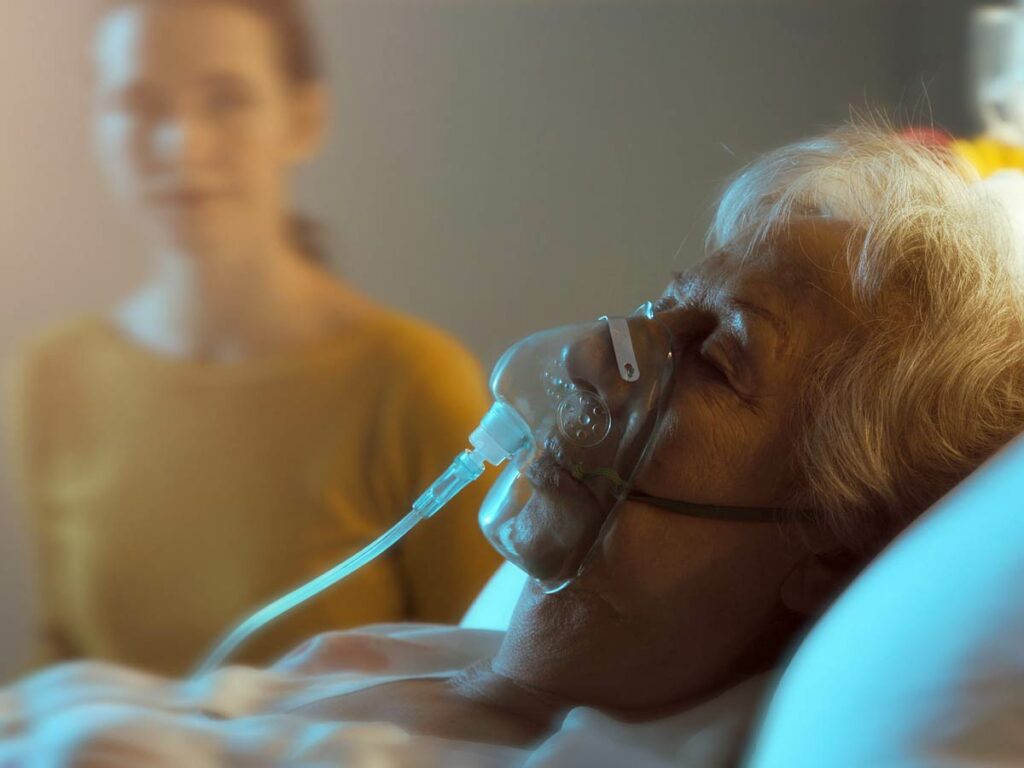
One of the main goals of COPD end-of-life care is to relieve symptoms so your loved one can be comfortable in their final days, weeks, and months of life. Your loved one’s COPD hospice team will work with their primary care doctor to ensure a comprehensive care plan that addresses all their symptoms.
Shortness of Breath and Breathing Difficulties
With late-stage COPD, your loved one may experience constant wheezing and coughing. This can bring up mucus, shortness of breath that takes a long time to recover from, and a rattling noise that’s always present while breathing. A COPD hospice care team provides the following therapies to ease breathing difficulties:
- Oxygen therapy
- Medications
- Breathing exercises
- Relaxation strategies
- Adjusting body positions while sleeping
Managing Pain
Pain is common with late-stage COPD, although the prevalence and severity vary from person to person. If your loved one is experiencing pain, hospice care for COPD offers many solutions to help make them more comfortable. These include pain medications, physical therapy, massage, and relaxation techniques like deep breathing and meditation.
Help With Eating and Nutrition
Dysphagia, or trouble swallowing, is common with late-stage COPD. With COPD hospice care, a dietitian will work with your loved one to ensure they’re getting proper nutrition despite swallowing challenges.
Dietary strategies include:
- Eating small, frequent meals throughout the day instead of three bigger ones
- Sticking to soft foods that are easier to chew and swallow
- Learning breathing techniques, such as pursed lip breathing, which can help them make it through their meals.
Reducing Depression and Anxiety
Living with a terminal illness like late-stage COPD can bring up a number of difficult emotions. It’s not uncommon for COPD hospice patients to suffer from depression and anxiety. Resources are available to help your loved one cope, including mental health counseling with professionals who are specially trained in end-of-life issues.
Support groups can connect your friend or family member with others facing the end of their life with a chronic illness. This lets them share experiences and coping mechanisms during this difficult time.
What to Expect From COPD Hospice Care
In addition to easing symptoms, COPD hospice care offers services to help take care of your loved one’s physical, emotional, and spiritual health, as well as resources for loved ones, including:
- Assistance with personal care and routine tasks your loved one may be too exhausted to perform, including bathing, grooming, and dressing
- Assistive mobility devices, such as walkers, canes, and a wheelchair
- Safety equipment, including grab bars, handrails, and a shower chair to help prevent falls
- Access to alternative therapies such as acupuncture, Reiki, and energy healing
- Spiritual counseling from faith leaders
- Legal assistance to help set up advanced directives and a living will
- Bereavement counseling and access to support groups for loved ones
- Assistance with financial planning for end-of-life expenses
Where Can You Receive COPD Hospice Care?
COPD hospice is offered in healthcare facilities like nursing homes, hospitals, and hospice care centers, as well as in the comfort of your own home. The place a person receives hospice care is a personal decision that should be made with the help of your doctor and family.
If you opt for hospice care at home, your loved one’s COPD hospice team will make regular visits to your home.
Hospice Requirements for COPD
The basic COPD Hospice Criteria are:
- A doctor has determined that the patient’s condition is terminal
- The patient has an estimated six months or less to live
Why You Shouldn’t Call 911 During COPD Hospice Care
If you call 911 or take your loved one to the hospital without involving their COPD hospice team, your loved one will be dismissed from hospice care. They’ll only be readmitted when they return from the hospital. Without prior approval, you’ll be fully responsible for all costs relating to the hospital stay, including ER and hospital fees, diagnostic tests, medications, and ambulance charges.
This rule applies to both care in a hospice facility and COPD hospice care at home.
Hospice Care Versus Palliative Care for COPD
The terms “hospice care” and “palliative care” are sometimes used interchangeably. However, these are two distinct types of care, and it’s important to understand the difference.
Palliative care for COPD patients is care that complements medical treatments aimed to stop the progression of the disease. Unlike COPD hospice, palliative care isn’t end-of-life care. Rather, it’s care that supplements medical care in order to improve the quality of someone’s life with a chronic illness. With palliative care, curative treatments are continued.
COPD hospice care is for patients whose doctor has determined that they have six months or less left to live. When entering hospice care, doctors stop medications and therapies meant to stop the progression of the disease. At this time, treatment strategy shifts to COPD end-of-life care. The goal is to make your loved one as comfortable as possible as the disease takes its natural course.
FAQ for COPD Hospice
Here are some frequently asked questions about COPD hospice care.
How Long are Patients in COPD Hospice?
The length of time patients remain in COPD hospice care varies from person to person. It may be days, weeks, or months depending on the severity of their condition. In order to start hospice care, a doctor must state that the patient has six months or less to live.
If your loved one lives beyond six months on COPD hospice care, they can remain in hospice as long as their doctor recertifies that their disease is terminal.
Choosing hospice doesn’t have to be the end of your loved one’s life. Dolores was 82 when she found out her kidneys were failing. She was satisfied that she had lived a long, happy life and decided not to enter dialysis, so she started hospice care. However, she soon discovered that her granddaughter was pregnant.
Dolores decided not to continue with hospice care after all, and instead began dialysis hoping to live long enough to meet her first great-grandchild — a goal she was able to attain. Dolores later re-entered hospice care as her disease continued to progress.
What are the Signs of the Final Days of COPD?
Signs of the final days of COPD include irregular breathing, a drop in body temperature and blood pressure, decreased urination, mottled skin, irregular pulse, and confusion or disorientation.
Late Stage COPD: The Sage Family of Companies Can Help
Late-stage COPD symptoms can severely affect both patients and their families. If your loved one’s doctor has determined their condition is terminal, hospice care from the Sage Family of Companies can help ensure their comfort as the end of their life approaches.
With the Sage Family of Companies, you’ll have access to a dedicated team of experienced hospice care professionals, including nurses, doctors, therapists, clergy, and other healthcare specialists. Your loved one will benefit from the comfort, respect, and dignity they deserve as you all move through this difficult time together.
References
- What Are Palliative Care and Hospice Care?, NIH, 2021
- What is COPD?, CDC, 2023
- Reporting of pain by people with chronic obstructive pulmonary disease (COPD): comparative results from the HUNT3 population-based survey, BMC Public Health, 2018
- Palliative and end-of-life care for patients with severe COPD, European Respiratory Journal, 2008